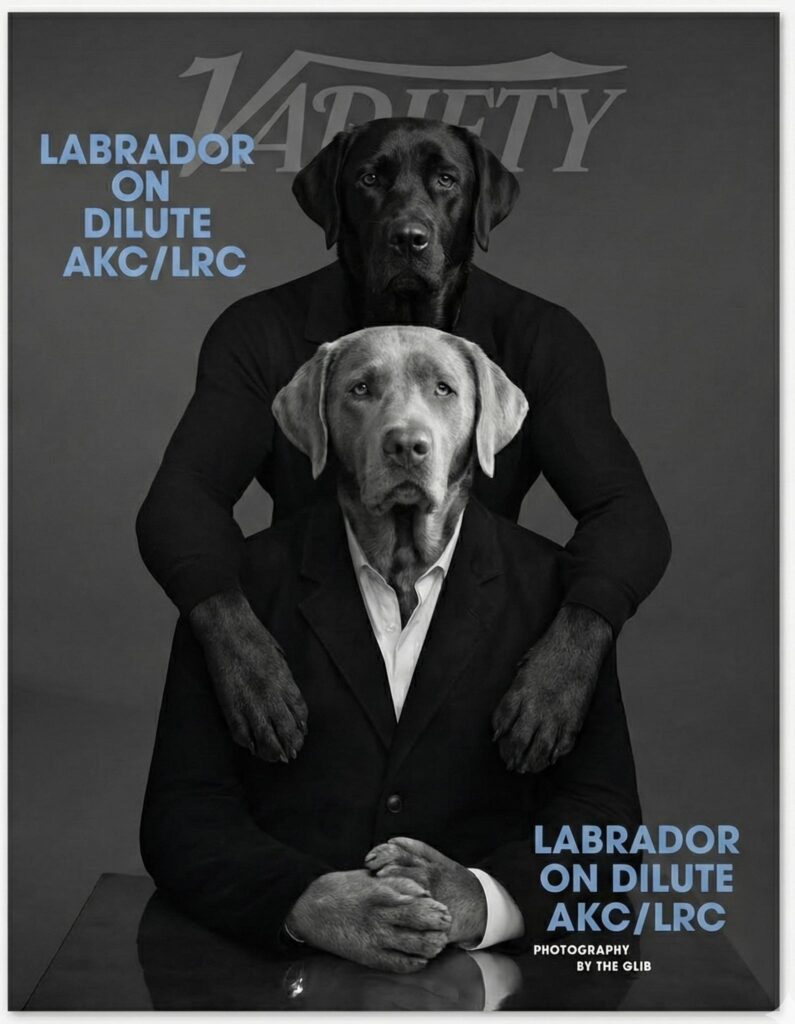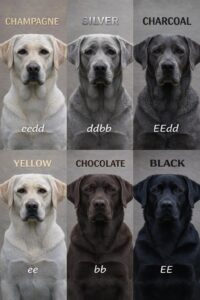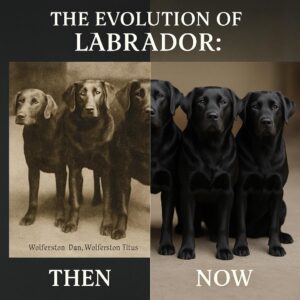
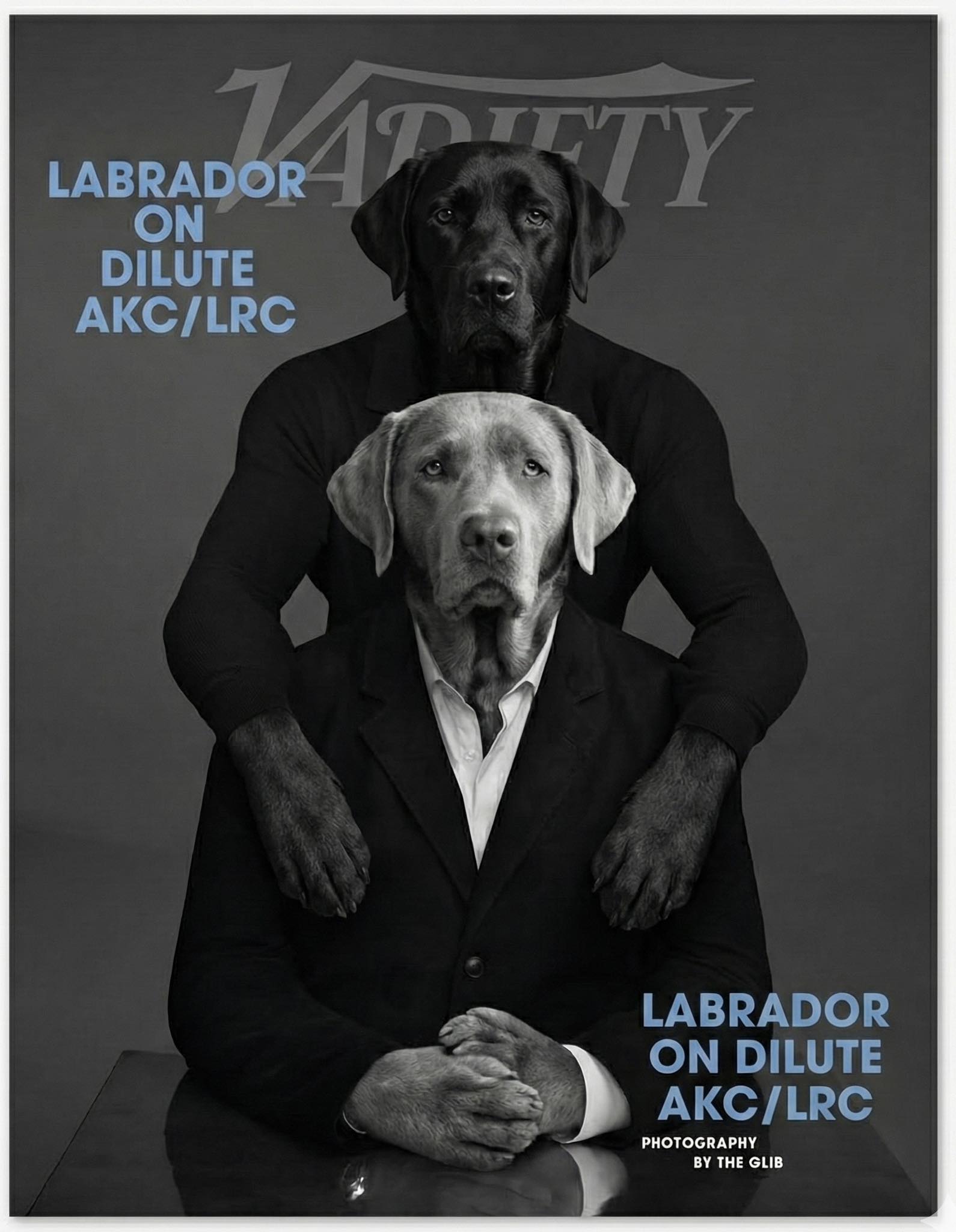

Creating a distinct dilute variety within the Labrador Retriever breed would strengthen clarity, transparency, and long term breed stewardship without redefining the Labrador itself. Dilute Labradors already exist in significant numbers within the registered population, yet they are currently recorded under inaccurate color designations. This practice obscures genetic reality, creates confusion for owners, limits responsible breeding oversight, and leaves the studbook incomplete. A formally recognized dilute variety offers a practical solution to these problems.
1. Genetic transparency and accurate record keeping
A variety designation would allow dilute expression and carrier status to be tracked honestly within the registry. Rather than recording dilutes as black, yellow, or chocolate by default, the AKC and parent club could capture accurate genotype and phenotype data. This improves population level analysis, enables more precise health and diversity studies, and aligns registration records with modern genetic testing capabilities. Transparency benefits all breeders, including those who never work with dilution, by improving the quality of breed wide data.
2. Higher standards through accountability rather than exclusion
Formal recognition creates structure. Once identified as a distinct variety, dilute Labradors can be held to the same expectations for health testing, structural soundness, temperament, and functional ability as any other segment of the breed. Instead of operating in an informal or adversarial space, breeders are incentivized to meet clearly defined standards and participate openly in improvement efforts. This shifts the dynamic from avoidance to responsibility and from secrecy to accountability.
3. Protection of traditional color varieties
A dilute variety does not alter or dilute the established black, yellow, and chocolate varieties. It preserves them. By clearly labeling dilution rather than masking it, breeders who work exclusively within standard colors retain confidence that their lines remain unchanged and clearly documented. Separation by designation reduces suspicion, minimizes misinformation, and prevents unintentional crossings driven by incomplete records.
4. Unity through acknowledgment of reality
Much of the conflict surrounding dilute Labradors stems from the gap between what exists genetically and what is formally acknowledged administratively. A variety designation bridges that gap. It recognizes reality without reopening the breed standard or redefining the Labrador Retriever. This approach allows differing philosophies to coexist within a transparent framework, reducing decades of friction by replacing debate with documentation.
5. A tangible path forward
This could be implemented incrementally:
• Introduction of an optional dilute variety designation in registration records
• Mandatory genetic verification of dilution status for variety designation
• Parallel health and conformation expectations aligned with existing Labrador standards
• Ongoing population level review to monitor health, diversity, and impact
This approach does not force participation, does not alter conformation eligibility unless explicitly chosen, and does not weaken existing standards. It simply documents what already exists and governs it responsibly.
Conclusion
Recognizing a dilute variety within the Labrador Retriever breed does not change the breed. It improves record accuracy, encourages responsible breeding, protects traditional varieties, and replaces long standing tension with clarity and structure. In doing so, it strengthens the integrity of the studbook and supports long term stewardship of the Labrador Retriever as a whole.